
Homeowners planning a major remodel, addition or custom home must decide not only what to build, but how the project team will be organized. A design-build contractor in Portland OR provides design and construction through one coordinated entity. The traditional alternative is to hire an architect first and later contract separately with a builder. Both structures can produce excellent work, but they distribute communication, cost feedback and responsibility differently.
Nick and Sons Design Build brings design, permitting, land preparation and construction together. This guide explains the practical differences so Portland homeowners can choose a delivery method that matches the project’s complexity, their desired level of involvement and the way they prefer to make decisions.

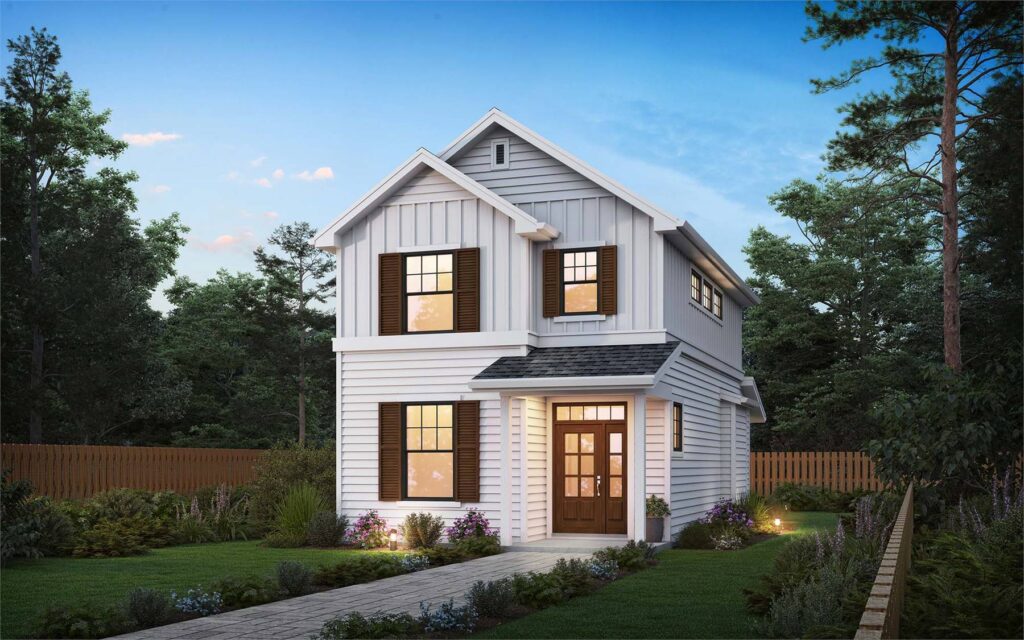
Featured image — Design-build contractor in Portland OR providing one coordinated project team. Image source: Nick and Sons Design Build

How Traditional Design-Bid-Build Works
In a traditional structure, the homeowner contracts with an architect or designer to develop plans, then seeks contractor pricing after the documents reach a selected stage. The designer and builder have separate agreements with the owner.
This separation can provide independent professional roles and may suit homeowners who already have a trusted architect. However, construction pricing and means-and-methods input may arrive later unless a contractor is engaged during design as an advisor.
How Residential Design-Build Works
In design-build, one company is responsible for both design and construction. Designers, estimators, project managers and field teams collaborate as the scope develops. The homeowner has one primary agreement and one accountable team.
Design-build does not mean skipping design. A strong process still includes programming, concepts, design development, permits, selections and construction documents. The difference is that construction knowledge participates throughout.
Communication and Decision Paths
Separate contracts can require the homeowner to relay information between architect and contractor or manage disagreements about interpretation and scope. Clear roles and a strong architect-contractor relationship can make the process work well.
With design-build, questions can move directly between disciplines inside the same team. The homeowner still approves decisions, but coordination is less dependent on acting as the messenger.
Budget Feedback During Design
A beautiful design can exceed the available budget if cost feedback comes too late. Traditional projects can address this by hiring a contractor for preconstruction services, but that must be planned intentionally.
A design-build contractor in Portland OR typically estimates during concept and design development. The team can compare structural systems, finish levels and scope alternatives before permit drawings are complete. Early numbers are still estimates, but they help guide priorities.

Architectural design and construction planning for a Portland residential project. Image source: Nick and Sons Design Build
Responsibility for Gaps and Conflicts
When plans and construction are under separate contracts, a question may arise about whether a problem belongs to design, documentation or execution. Good contracts and professional relationships provide mechanisms to resolve those issues, but the owner may be between the parties.
Design-build places broader responsibility with one entity. That can simplify accountability, although homeowners should still review the company’s design capabilities, construction experience, insurance, licensing and contract terms.
Control and Design Independence
Some homeowners prefer an architect who acts as an independent advocate during bidding and construction. This can be valuable on highly specialized projects or when the owner wants to compare several builders using the same documents.
Other homeowners value integrated decisions and a single project culture. Design-build can still offer creative exploration and transparent options; it should not be reduced to the least expensive solution. The quality depends on the team and process.
Schedule and Overlap
Traditional delivery often follows a more sequential path: design, pricing, permits and construction. Contractors can be involved earlier, but the structure does not automatically create overlap.
Design-build may allow early procurement, site work planning and trade coordination while later design details are completed, when appropriate and permitted. Overlap can shorten schedules, but it must be managed carefully so decisions are not rushed.
Selecting the Right Team
For separate delivery, evaluate the architect and contractor individually and ask how they will collaborate. For design-build, evaluate the full team: who designs, who prepares permits, who estimates, who manages construction and who communicates with the homeowner.
Review relevant work, references and the clarity of the preconstruction process. The Nick and Sons family team includes architectural design and permitting, land preparation, project management and construction experience.
Contract and Pricing Questions
No delivery method replaces careful contract review. Understand what design phases are included, how allowances work, when pricing becomes fixed, how changes are approved and what happens if the project pauses.
Ask whether the company uses open-book estimates, fixed-price proposals, cost-plus terms or a combination by phase. The label “design-build” does not describe every financial detail.
Which Method Fits Your Project?
Choose traditional delivery when you have a strong independent architect relationship, need competitive bidding from completed documents or want separate professional roles. Choose design-build when integrated budgeting, one point of contact and continuity from concept through construction are primary goals.
For many residential projects, the specific people matter more than the category. A collaborative architect and builder can outperform a weak design-build team, and a strong integrated company can outperform a fragmented process. Evaluate evidence, communication and transparency.
Run the Same Interview for Every Team You Consider
Homeowners can compare delivery methods more effectively by asking every prospective team the same questions. Who performs design? When does estimating begin? How are engineering and permits coordinated? Who attends site meetings? What information is provided before a construction price is accepted? Consistent questions reveal differences that marketing language can hide.
Request a sample project roadmap and a redacted example of the type of budget or specification the company uses. The goal is not to obtain another client’s confidential information, but to understand the level of documentation and transparency. A polished portfolio shows outcomes; process documents show how the team reaches them.
Pay attention to how uncertainty is discussed. Experienced professionals should be able to explain allowances, contingencies, concealed conditions and decision deadlines without promising that every variable has disappeared. The best team is not necessarily the one with the most confident sales presentation. It is the one that provides a believable plan for managing information, decisions and risk from design through closeout.
Watch for Red Flags in Either Delivery Method
In a traditional architect-contractor arrangement, be cautious when no one accepts responsibility for early cost feedback, the drawings are expected to be priced without adequate detail, or the homeowner is told to resolve coordination disputes alone. Separate contracts work best when roles, communication and preconstruction involvement are explicit.
In design-build, watch for vague descriptions of who actually performs design, pressure to commit before scope is defined, or pricing that omits allowances and site assumptions. One contract is useful only when the integrated team has the qualifications and documentation to support it. Ask to meet the people who will design and manage the work rather than relying entirely on the initial salesperson.
For either method, avoid promises of a guaranteed permit date, a fully fixed cost before investigation or a major project with no decision schedule. A trustworthy team explains uncertainty, documents assumptions and shows how information becomes more accurate as the project progresses.
Project Planning Checklist
- Define how involved you want to be in coordination.
- Ask when construction pricing enters the design process.
- Identify who is responsible for permitting and engineering coordination.
- Review design credentials and relevant construction experience.
- Understand how scope and selections are documented.
- Compare pricing methods, allowances and contingencies.
- Ask how design conflicts and field conditions are resolved.
- Review the communication schedule and decision process.
- Check references for projects of similar type and scale.
Frequently Asked Questions
Is design-build always cheaper?
No. It can improve cost coordination and reduce duplication, but project cost still depends on scope, quality, site conditions and the team.
Do I still get architectural design with design-build?
A qualified design-build process includes architectural planning and construction documents appropriate to the project. Ask who performs the design and permitting work.
Can I compare contractor bids with design-build?
Design-build usually emphasizes selecting a team earlier rather than bidding identical completed documents. Homeowners can still compare qualifications, processes, preliminary budgets and contract structures before choosing.
Who represents the homeowner in design-build?
The design-build entity has a contract with the homeowner and is responsible for the agreed scope. Homeowners may also hire independent legal, financial or technical advisors when desired.
How do I evaluate a design-build contractor in Portland OR?
Review comparable projects, the actual team, design and construction capabilities, communication, contracts, estimating process, permits and references.
Plan the Project With One Coordinated Team
The best delivery method is the one that creates clear responsibility, timely decisions and confidence for the homeowner. A capable design-build contractor in Portland OR offers one coordinated path from early ideas to final construction. Start your Portland project with Nick and Sons to discuss whether design-build fits your goals.
External Sources
- Design-Build Institute of America: What Is Design-Build?
- American Institute of Architects: Project Delivery
- Construction Management Association of America: Delivery Methods
Image Credits
- Design-build contractor in Portland OR providing one coordinated project team — Nick and Sons Design Build website
- Architectural design and construction planning for a Portland residential project — Nick and Sons Design Build website